Signs You May Have a Hidden Water Leak
A rising water bill, a musty smell, a warm spot on the floor — hidden leaks send signals long before they cause visible damage. Here's what to watch for and what to do next.
The leak you can't see is the expensive one
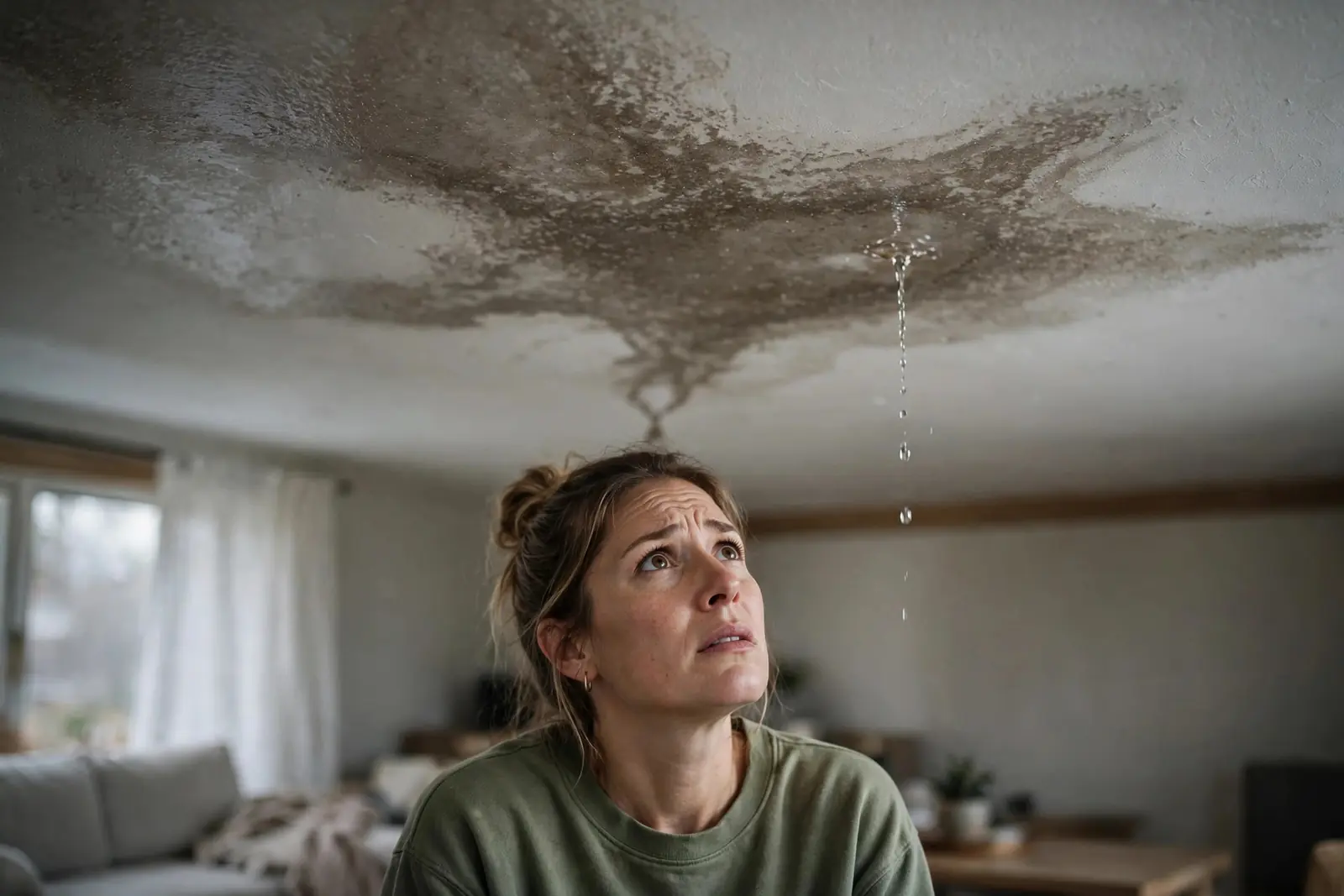
Most homeowners picture a leak as a puddle under a sink. The costly ones are quieter: a pinhole in a pipe behind a wall, a slow drip under a slab, a failing joint in a crawl space. Water escaping where you can't see it damages drywall, flooring and even structure — and it can run for weeks before there's a stain to notice.
Six signals worth acting on
Watch for a water bill that's climbing with no change in your usage; damp, warm or soft spots on floors and walls; musty or mold-like smells that don't go away; stains or bubbling paint on walls and ceilings; water pressure that's dropping for no clear reason; and the sound of running water when every fixture in the house is off. Any one of these deserves a look. Two or more together means don't wait.
Two checks you can run tonight
Before you call anyone, you can confirm whether water is moving somewhere it shouldn't. First, the meter test: turn off every tap, appliance and irrigation line, then read your water meter and note the numbers — many meters also have a small triangle or dial that spins with even a tiny flow. Don't use any water for an hour or two (overnight is even better), then read it again. If the numbers moved, water went somewhere, and if nothing in the house used it, a leak did. Second, the toilet test: toilets are the most common hidden leak in the average home. Put a few drops of food colouring in the tank, wait fifteen minutes without flushing, and look in the bowl — colour there means the flapper or flush valve is passing water silently, around the clock. Neither test tells you where the problem is, but together they tell you whether there is one.
Where hidden leaks usually hide
Some locations produce the same story again and again. Lines buried under a concrete slab can leak for months, announcing themselves only as a warm patch on the floor (from a hot line) or a bill that creeps upward. Shower and tub valves leak inside the wall every time they run. Washing machine hoses age, bulge and eventually burst — one of the most destructive failures in a laundry room. The main water line running from the meter to the house can crack or corrode underground, soaking the yard in one oddly green strip. Add refrigerator ice-maker lines, aging shut-off valves under sinks, and pinhole corrosion in older copper, and you have the usual suspects. In Maryland homes much of the original plumbing is now several decades old, which is why 'new' leak symptoms in an older house deserve prompt attention.
Why professional detection beats guesswork
The old way to find a hidden leak was to start opening walls. Professional leak detection pinpoints the problem first — behind walls, under slabs, even underground — so the repair is targeted instead of exploratory. That means less demolition, less cost, and a fix at the actual source: corroded pipe, a hairline crack, or a failed connection. The detection itself is methodical. Acoustic equipment — listening discs and ground microphones — picks up the sound of pressurised water escaping, which a trained ear can follow to within inches. Thermal imaging cameras show the temperature signature of water spreading behind a wall or under a floor. Moisture meters confirm how far damp has travelled into drywall and timber, which matters for deciding what must be opened and what can simply dry. For stubborn cases, pressure testing isolates sections of the system one at a time until the leaking stretch identifies itself. Only when the source is pinpointed does anyone pick up a saw — and by then the opening is the size of the repair, not the size of the search.
Fast repair is cheap repair
A small leak fixed today is a pipe repair. The same leak fixed in three months can be a pipe repair plus drywall, flooring and mold remediation. If you're seeing the signs, schedule a leak inspection — it's the least expensive money you'll spend on the problem.
What the repair looks like — and what drives the cost
Once the leak is found, the repair is usually one of three shapes. A spot repair cuts out the failed section and replaces it — right for a single bad joint or a short corroded stretch in otherwise healthy pipe. A section replacement makes sense when several feet of pipe are deteriorating together. And when leaks keep appearing in different places, the pipe itself is telling you it is at the end of its life; that is when repiping the affected run — or the whole house — stops the cycle of paying for one leak at a time. Cost follows access and extent more than anything else: a leak behind an open basement wall is quick work, while the same leak under a slab or behind a tiled shower takes longer to reach and put back. How long the water ran matters too, because drying, drywall and flooring are separate costs from the plumbing. The constant is that every week of delay moves the job up that scale.
Need Help With This?
Our related service: Leak Detection & Repair — We locate visible and hidden leaks and repair damaged pipes before water causes structural or mold-related issues.