How to Prepare Your Plumbing for Winter — A Maryland Homeowner's Checklist
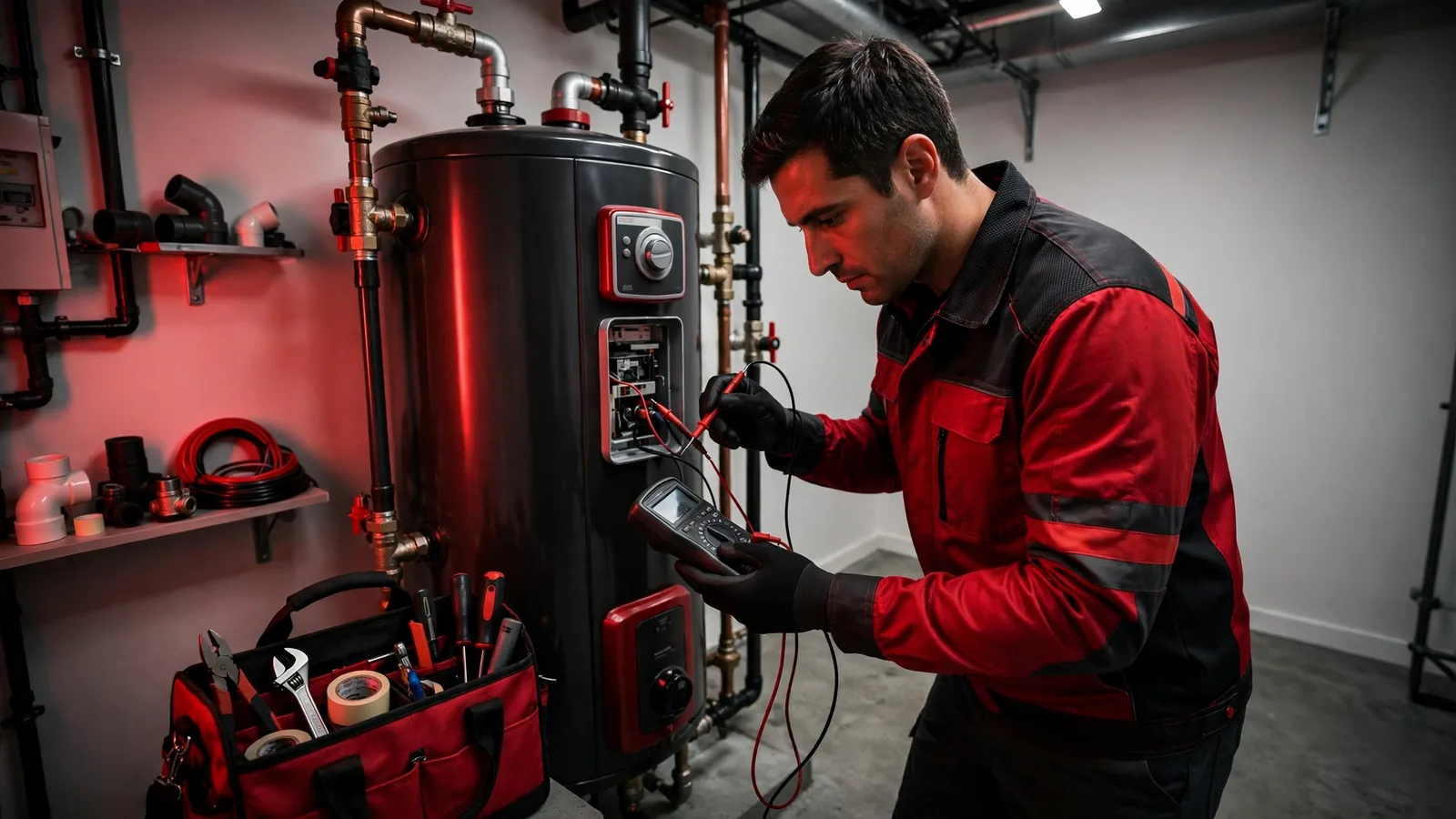
A cold shower is the water heater's way of asking for attention. Here is how to tell a tripped breaker or an out pilot from a failing tank, what is safe to check yourself, and the signs to stop troubleshooting and call.
The fast answer: prepare in autumn, not during the freeze
A burst pipe in January almost always started as a small, fixable weakness in November: an outside tap left connected, a pipe run through an unheated crawl space with no insulation, a shut-off valve nobody has tested in years. Winter preparation is not one big job. It is a short checklist of small ones, done while temperatures are still mild and nothing is urgent. Work through the steps below in order — outside first, then exposed pipes, then the systems inside — and most homes in Beltsville can be ready in a single weekend afternoon.
Step one: deal with outside taps and hoses first
Outside plumbing is the first to freeze because it sits beyond your home's heated envelope. Disconnect every garden hose and drain it — a hose left attached traps water in the tap and the short pipe behind it, and that trapped water is what splits the fitting inside the wall. Shut off the interior valve that feeds each outside tap, then open the outside tap itself and leave it open, so any remaining water can expand harmlessly instead of pressing against a closed valve. Drain sprinkler and irrigation lines if your system has a drain point. This ten-minute job prevents one of the most common winter failures we see, and it is the cheapest burst and frozen pipe repair there is: the one that never has to happen.
Step two: insulate the pipes that live in cold places
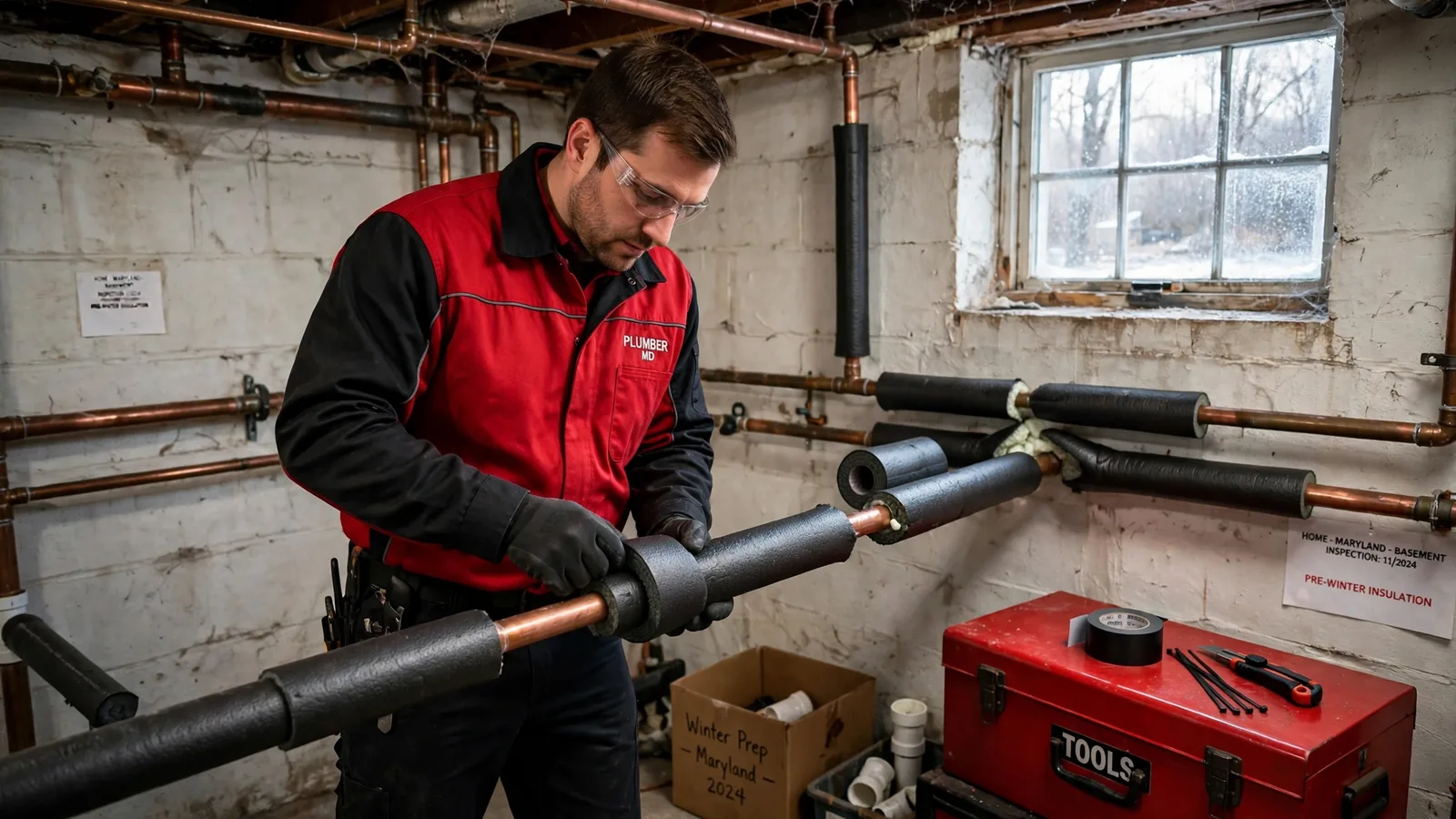
Walk the cold zones of your home with a torch: the basement perimeter, crawl spaces, the garage, and any cupboard on an outside wall where pipes run. Pipes in these areas lose heat fastest on windy nights, when cold air finds every gap. Foam insulation sleeves, sold by pipe diameter, slip on in minutes and are the single most effective protection for exposed runs. Seal obvious draughts around pipe entries and foundation vents near plumbing, but never block ventilation a fuel-burning appliance needs. Pay special attention to pipes that froze in a previous winter even without bursting — a pipe that froze once has told you exactly where your cold spot is.
Step three: know your main shut-off valve — and test it
Every adult in the house should know two things before winter: where the main water shut-off valve is, and that it actually works. Find it where the water line enters the home, usually near the front basement wall or by the meter. Turn it fully off, open a tap to confirm the water stops, then turn it back on. A valve that will not turn, turns without stopping the flow, or weeps around the stem after being moved is a valve that will fail you during a real emergency, when minutes of uncontrolled water become rooms of damage. Replacing a tired main valve is planned, inexpensive work in November. Discovering it is dead during a January flood is the expensive version of the same lesson, and it is where emergency plumbing calls so often begin.
Step four: give the water heater and sump pump a winter check
Your water heater works hardest in winter, when incoming water arrives colder and showers run longer. Look around the tank for rust streaks, moisture at fittings or a drain valve that drips — small signs now, a failed tank on the coldest weekend later. Check the temperature dial and keep anything flammable away from the unit. Then test the sump pump the same way you would before a storm: pour a bucket of water into the pit and confirm the pump starts, empties the pit and switches off. Winter rain and melting snow push groundwater toward Maryland foundations all season.
Step five: plan for cold snaps and trips away
Preparation includes what you do when a hard freeze is forecast. Keep the heating on at a steady, moderate temperature day and night during a cold snap — turning it down sharply overnight lets pipe spaces get coldest exactly when water sits still in them longest. Open cupboard doors under sinks on outside walls so warm room air reaches the pipes. If you travel in winter, do not turn the heat off: set it low but safe, shut off the main water valve if you know how, open taps to drain pressure, and ask a neighbour to check the house. A home in Laurel left empty and unheated for a week is the highest-risk plumbing in this guide, and the damage is usually discovered long after it happened, which turns a pipe repair into leak detection work as well.
What not to do when winter comes anyway
If a pipe does freeze despite preparation, never use a blowtorch, heat gun on high, or any open flame to thaw it — that is how frozen pipes become fires and burst pipes. Gentle warmth from a hair dryer or space heater, applied slowly and watched constantly, is the safe ceiling for a homeowner. Never pour boiling water into a frozen drain. And if a pipe has already split, do not restore water pressure to test it: shut the water off, keep it off, and let the repair happen first. A thawing burst pipe releases the full pressure of your water line through the split, and the minutes spent finding towels instead of the shut-off valve are the minutes that decide the size of the loss.
When to call us
Homes in Beltsville and Laurel share the same winter pattern: the outside tap forgotten in autumn, the crawl-space pipe nobody insulated, the shut-off valve seized since the house was bought. Disconnect the hoses, sleeve the exposed pipes, test the main valve and the sump pump — those are yours, and an afternoon of them prevents most winter plumbing damage. But call Eagle Plumbing at (240) 266-8317 or send the lead form on this site if a valve will not turn or will not stop the water, if you find a pipe already leaking or badly corroded, if the same run froze last winter, or if a pipe freezes or bursts despite your preparation. We will fix the weak points now, while the work is planned and priced calmly, instead of meeting them again at midnight in January.
Need Help With This?
Our related service: Burst & Frozen Pipe Repair — Fast, professional repairs to restore water service and prevent flooding, wall damage, and costly emergency replacements.