Clogged Drain? What to Do First — Causes, Safe Fixes and When to Call
One slow drain is a local problem. Several slow drains are a different one. Here is how to tell which clog you have, what is safe to try yourself, and the signs the blockage sits deeper than the fixture.
The fast answer: one drain, or the whole house?
Start with scope. If one sink, tub or toilet is slow and everything else in the home drains normally, the clog is almost certainly in that fixture's trap or branch line, close to the fixture itself. If two or more drains are slow, if a toilet gurgles when the shower runs, or if water backs up into a lower fixture while another one drains, the blockage sits further down, in a shared line or the main. That single distinction decides everything that follows: a local clog is a homeowner job with a plunger and patience, while a shared-line blockage is not, and forcing water into it only moves the backup somewhere worse. Note too whether the drain is slow or fully stopped — a slow drain is a warning, a stopped one is the deadline.
What is actually clogging the drain
In the kitchen, the usual cause is grease. Cooking oil poured away liquid coats the pipe wall as it cools, and each week adds a thinner, stickier layer that catches food particles until the passage narrows to a pinhole. In bathrooms, hair and soap scum weave together just below the stopper, close enough to see and slow enough to ignore for months. Toilets clog on excess paper or on objects that were never meant to be flushed — wipes labelled flushable included, because they do not break down the way paper does. Laundry drains clog on lint and detergent residue, especially where the hose meets a standpipe that is already partly narrowed. Each cause sits at a different depth, which is why the same trick that clears one drain does nothing for the next.
Safe first steps you can try yourself
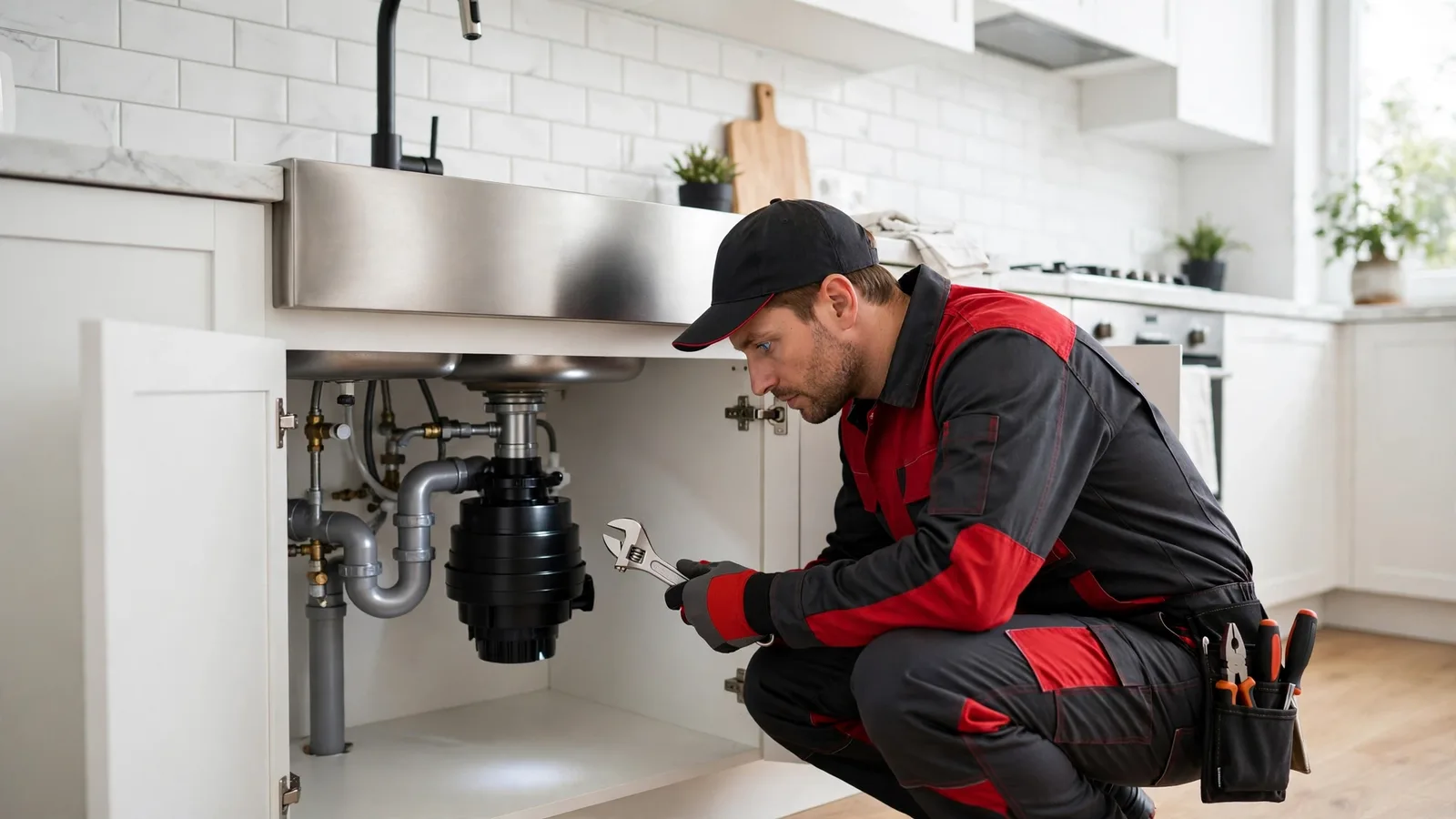
For a single slow sink or tub, begin with the simple and the free. Pull the stopper or strainer and clear whatever hair and debris you can reach by hand. Fill the basin partway, seat a cup plunger flat over the drain and work it with short, firm strokes — the seal matters more than strength, and blocking the overflow opening with a wet cloth makes a bathroom sink plunge far more effective. If the trap under a sink is accessible and you are comfortable doing it, set a bucket underneath, loosen the slip nuts by hand and clear the U-shaped section, where many kitchen and bathroom clogs actually live. Run hot water afterwards to test. If the drain clears and stays clear, you are done.
What not to do
Skip the chemical drain cleaners. On a fully stopped drain they do not dissolve the blockage — they sit on top of it as a pool of caustic liquid that then has to be worked through by whoever opens the line next, and repeated use can damage older pipes and seals. Never plunge a drain you have just poured chemicals into. Be cautious with rented or borrowed drain snakes, too: a cable forced against a hard blockage can kink, scratch porcelain, or punch through a corroded pipe wall and turn a clog into a leak inside a wall. And do not keep running water or flushing to test whether a backup has cleared itself — every gallon added to a blocked line has to come back somewhere, usually at the lowest fixture in the home.
When a clog is not just a clog
Some patterns mean the problem is bigger than the drain in front of you. A clog that returns within weeks of being cleared is rarely a new clog each time — it is the same narrowing, root mass or sagging section catching the same debris. Several drains slowing together, gurgling from fixtures you are not using, sewer smells around floor drains, or a basement drain that backs up first all point past the branch line, toward the main. Water appearing in a tub or shower when the washing machine drains is the same signal. In those cases clearing the one visible fixture treats a symptom, and the right next step is a look inside the shared line before a full backup makes the decision for you.
How a professional clears it — and proves it
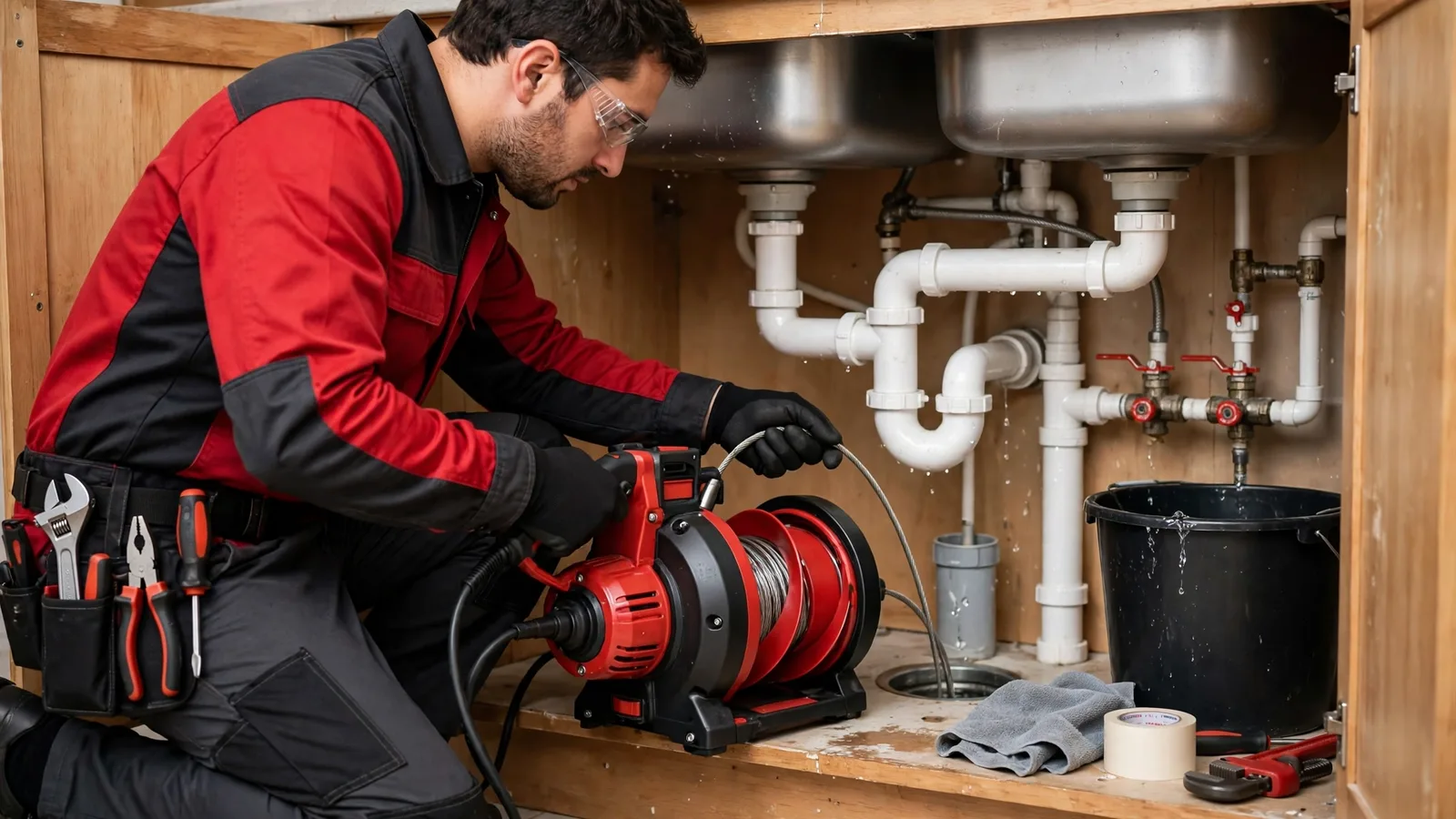
Professional clogged drain cleaning starts with the same scope question, then matches the tool to what the symptoms say. A powered cable with the right cutting head breaks through a local blockage and pulls back what caused it. For grease-heavy kitchen lines and lines that clog again and again, hydro jetting scours the full inside wall of the pipe with high-pressure water, removing the coating a cable leaves behind, so the line drains at its full width instead of through a hole in the buildup. When a clog keeps returning with no clear cause, a video camera pipe inspection shows whether you are dealing with roots, a crack, an offset joint or a sagging section — the problems no amount of cleaning can fix — and pinpoints the spot before anyone talks about digging.
Keep it clear — and when to call us
Prevention is mostly habits. Wipe grease into the trash instead of the sink, use strainers in showers and kitchen sinks and empty them, flush only toilet paper, and run water while the disposal runs and for a few seconds after. Homes in Beltsville and Silver Spring call us with the same short list of stories: the kitchen line that slowed every holiday, the tub that drained a little worse each month, the toilet that was fine until guests arrived. If your drain is fully stopped, backing up, affecting more than one fixture, or back again after you cleared it once, call Eagle Plumbing at (240) 266-8317 or send the lead form on this site. We will find where the blockage actually sits, clear it with the method that fits, and show you what caused it — so you know whether it is finished, or what to watch.
Need Help With This?
Our related service: Clogged Drain Cleaning — Thorough drain cleaning that removes buildup at the source and restores proper pipe flow long-term — not a temporary push-through.